An Experimental Game Fragment | Master’s Project
Overview
SynQuest was developed as part of my Master’s degree studies in Design and Digital Media at the University of Edinburgh. For this assignment, we were asked to design a glitchy game fragment that responded to the core concept of “Syncity”—a fictional, secret pirate game syndicate embedded in Edinburgh’s digital landscape. My contribution formed the final segment of a larger four-part narrative sequence, one of which was a short animation titled Card Maze.
Conceptual Framework
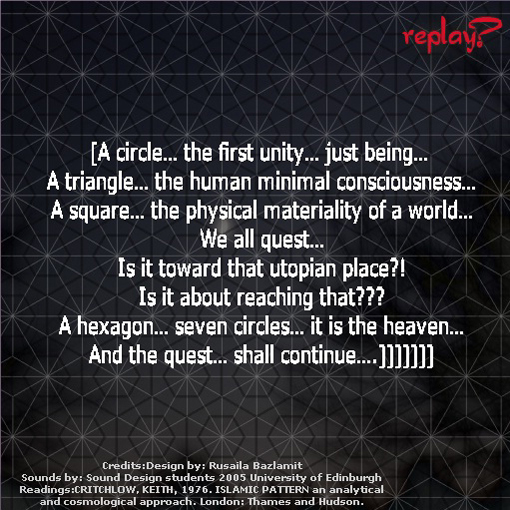
The game explores Islamic geometric forms and their embedded spiritual meanings. I designed each level around a different shape, building gameplay mechanics that reflect symbolic associations with unity, knowledge, the material world, and transcendence.
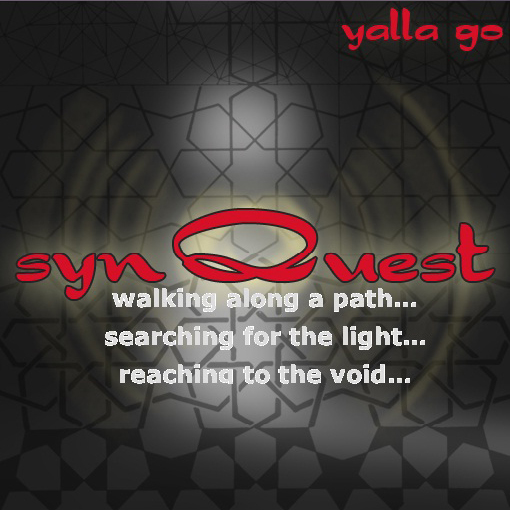
SynQuest Opening screen
Level Structure & Symbolism
-
Level 1 – Circle
I began with the circle—a shape that in Islamic art represents origin, unity, and oneness. It also evokes the tawaf (the ritual circling of the Kaaba) and the spiraling movements of Sufi dervishes. These associations inspired the twirling motion mechanic of the opening level.
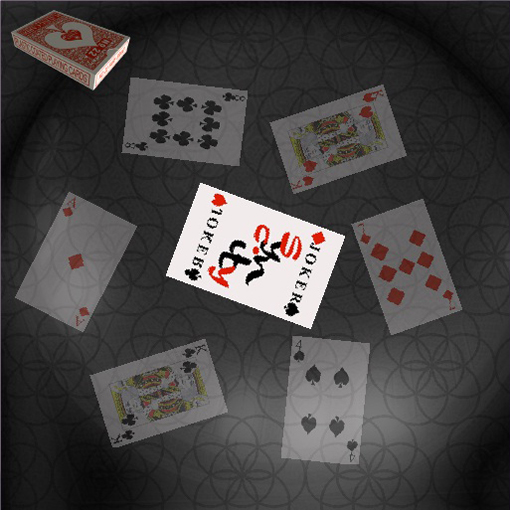
SynQuest Level 1 screenshot
Level 2 – Triangle
The triangle represents the triad of the knower, the known, and the act of knowing. Players were challenged to discern which card would complete a visual and conceptual sequence based on this trio.
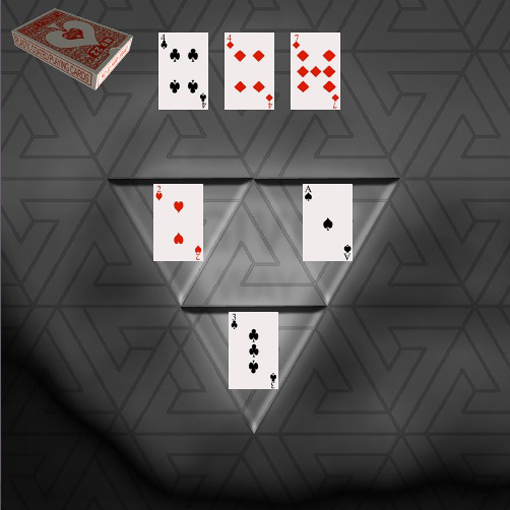
SynQuest Level 2 screenshot
Level 3 – Square
Symbolizing the physical world, the square structured an immersive 3D puzzle space. Players had to navigate and manipulate 3D volumes to uncover clues and interact with the environment.
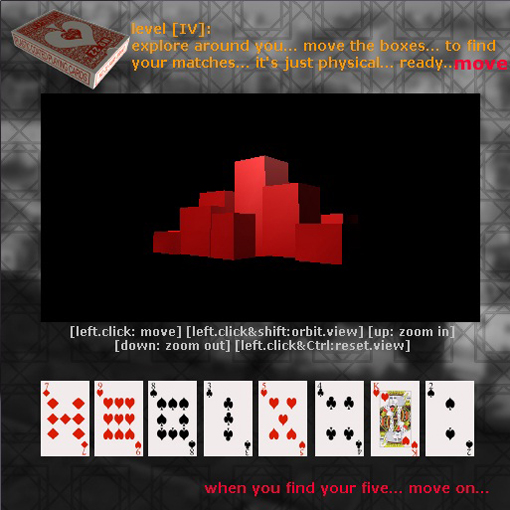
SynQuest Level 3 screenshot
Level 4 – Hexagon
In the final stage, the player reached the hexagon, a sacred symbol of heaven in Islamic visual culture. Reaching this level served as the spiritual and narrative reward for progressing through the game.
Technical Notes
SynQuest was designed using Macromedia Director and programmed in Lingo, a now-obsolete scripting language once used for interactive multimedia authoring. Though no longer in active use, this platform enabled me to prototype a dynamic, symbolic game experience that foregrounded glitches as aesthetic devices and spiritual geometry as narrative logic.